Environment
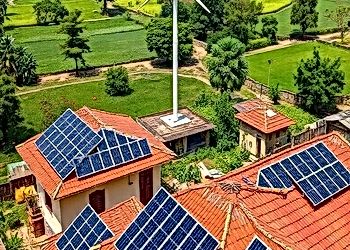
Rural India's renewable energy revolution is transforming the way energy is generated and consumed in the country. With the Indian government's support, villages and towns are adopting solar and wind power to meet their energy needs, reducing dependence on fossil fuels and improving energy access. As noted in <a target='_blank' class='internal_page_link' href='https://posttruly.com/post/what-lies-ahead-for-indias-renewable-energy-sector-69490b0f65e2e'>What Lies Ahead for India's Renewable Energy Sector</a>, the country's renewable energy sector is growing rapidly.
Environment
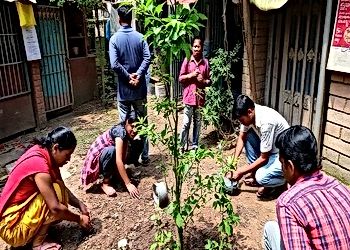
India's urban forestry challenges are multifaceted and require a comprehensive approach to address. The country's rapid urbanization has led to the destruction of natural habitats and the loss of green spaces, resulting in severe environmental and social consequences. To mitigate these issues, cities must prioritize urban forestry initiatives, including tree planting, green corridor creation, and community-led forestry programs. Moreover, addressing <a target='_blank' class='internal_page_link' href='https://posttruly.com/post/waste-management-challenges-694668096d091'>Waste Management Challenges</a> is crucial for reducing the environmental footprint of urban areas.

Environment
Climate change is having a significant impact on India's fisheries, with rising sea temperatures and changing ocean chemistry affecting the distribution and abundance of fish populations. The Indian government must invest in climate-resilient infrastructure and promote sustainable fishing practices to conserve fish populations and maintain the health of marine ecosystems.

Environment
India's e-waste problem is a significant environmental and health concern. The improper disposal of e-waste can lead to the release of toxic chemicals, respiratory problems, and other diseases. The Indian government must invest in education and awareness campaigns to promote the responsible disposal of e-waste and encourage the development of e-waste recycling infrastructure.

Environment
Dec 26, 2025
3 min read
Hot
The natural world has an incredible ability to adapt and thrive in the face of adversity, including the challenges posed by climate change. By understanding and preserving natural systems, we can work towards maintaining biodiversity and ecosystem health, and promoting sustainable practices.
Environment
Dec 26, 2025
3 min read
Hot
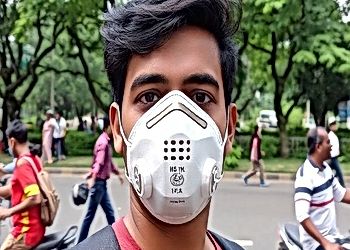
The hidden toll of pollution on mental health is a pressing concern that requires immediate attention. By understanding the causes and consequences of this issue, we can work towards creating a healthier and more sustainable environment. This includes implementing measures to reduce pollution, increasing access to green spaces, and promoting sustainable practices.
Environment
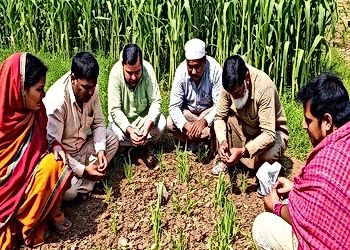
Climate change adaptation strategies are essential for reducing the impacts of climate change on ecosystems and human communities. They involve promoting sustainable development, improving water management, and enhancing disaster risk reduction. In India, climate change adaptation efforts are often focused on promoting sustainable agriculture practices, improving water management, and enhancing disaster risk reduction.
Environment
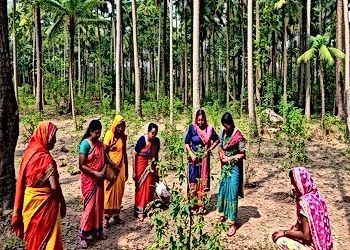
Ecological restoration is a critical process for maintaining the health and resilience of ecosystems. It involves rehabilitating damaged or degraded ecosystems, and requires a deep understanding of the ecosystem's dynamics, as well as the social and economic context in which it exists. In India, ecological restoration efforts are often hindered by a lack of funding, inadequate infrastructure, and insufficient community engagement.
Environment
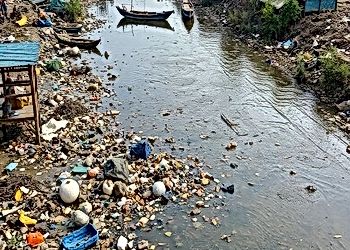
Water pollution in India is a complex issue, resulting from industrial, agricultural, and domestic sources. The impacts are broad, affecting human health, the economy, and the environment. Solving this problem will require policy changes, technological innovations, and shifts in consumer behavior, all aimed at reducing pollution and protecting water resources.
Environment
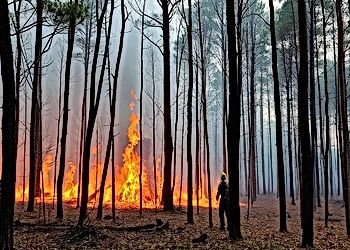
Forest fires in India have become more frequent and severe, affecting local ecosystems and contributing to global climate change. The causes are multifaceted, including human activity and natural factors. Addressing this issue requires policy changes, public awareness, and the adoption of sustainable practices to mitigate climate change, protect biodiversity, and ensure community well-being.
Environment
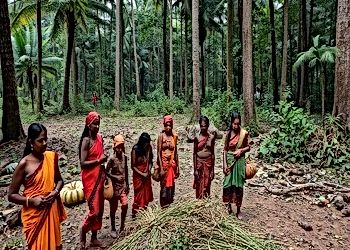
The relationship between humans and nature in India is complex and multifaceted. While there are many examples of conflict, there are also many instances of positive interactions, where humans have developed sustainable practices and conservation efforts to protect the environment.

Environment
Dec 24, 2025
3 min read
Hot
India's natural ecosystems are facing numerous challenges, but there are instances where nature has shown remarkable resilience. The conservation efforts in the Western Ghats, the restoration projects in the Sundarbans, and the eco-friendly practices in the Himalayas are just a few examples. These initiatives have contributed to the preservation of biodiversity, ecosystem services, and natural resources.
 Login with Google