
Environment
The Himalayas, often referred to as the 'water tower' of Asia, are facing significant impacts from climate change. Rising temperatures are causing glaciers to melt at an alarming rate, leading to changes in river flow and increased risk of floods and droughts.

Environment
The Western Ghats, a biodiversity hotspot in India, is facing numerous threats, including deforestation, mining, and infrastructure development. The region is home to numerous endemic species, and the loss of habitats and biodiversity has significant implications for the environment, human health, and the economy.
Environment
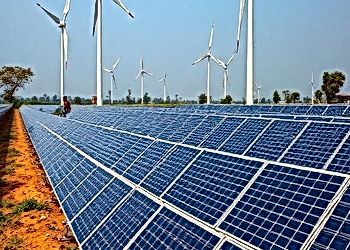
India's renewable energy sector has experienced rapid growth in recent years, driven by government policies and investments in solar and wind energy. To understand what lies ahead for this sector, it's essential to examine the current trends and challenges.
Environment
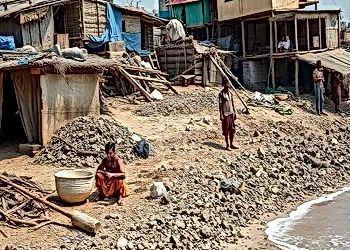
India's coastline is facing severe erosion due to climate change, resulting in the loss of livelihoods, homes, and infrastructure for many coastal communities. To address this, it's essential to examine the root causes of coastal erosion and implement measures to reverse it.
Environment
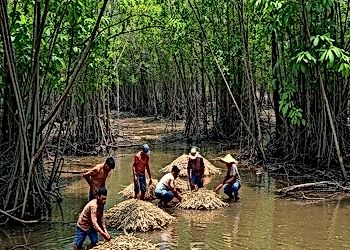
Mangrove forests are a vital component of the coastal ecosystem, providing habitat for a diverse range of species and protecting shorelines from erosion. However, they are facing an unprecedented threat due to human activities such as deforestation, pollution, and climate change. It is essential to address this issue through a combination of policy and regulatory measures, as well as individual actions to reduce our carbon footprint.

Environment
The Himalayan glaciers are a vital component of the Earth's ecosystem, providing freshwater and supporting biodiversity. However, they are facing an unprecedented threat due to climate change. The melting of the glaciers can have severe consequences, including changes to the water cycle, increased natural disasters, and impacts on human settlements. It is essential to address this issue through a combination of policy and regulatory measures, as well as individual actions to reduce our carbon footprint.
Environment
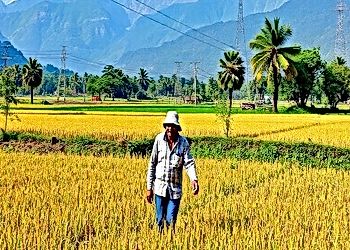
The adoption of sustainable agriculture practices is becoming increasingly important in India, with the country's agricultural sector facing numerous challenges. The use of sustainable agriculture practices can reduce greenhouse gas emissions, improve soil health, and increase crop yields.

Environment
The shift towards eco-friendly transportation is gaining momentum in India, with the government investing in electric and hybrid vehicles. The use of eco-friendly transportation can reduce greenhouse gas emissions, improve public health, and create new job opportunities in the clean energy sector.

Environment
Climate resilient infrastructure is critical for mitigating the impacts of climate change, particularly in vulnerable communities. The development of climate resilient infrastructure requires careful planning and management, involving multiple stakeholders and resources.
Environment
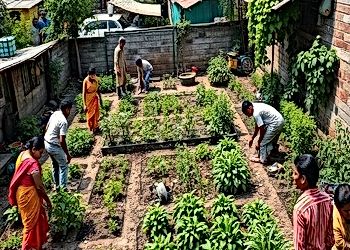
Urban greenspaces are a critical component of sustainable city planning, providing numerous benefits for both the environment and human health. However, their creation and maintenance requires careful planning and management, involving multiple stakeholders and resources.
Environment
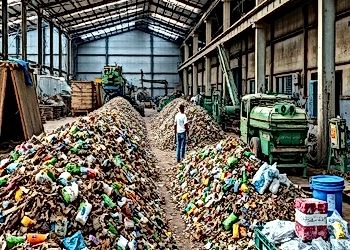
The management of waste is a significant challenge in India, with severe environmental and health consequences. The lack of effective waste management systems has resulted in the proliferation of dumpsites and landfills, which must be addressed through the implementation of decentralized waste management systems and community-led initiatives.

Environment
The fragmentation of forests is a critical issue in India, with severe consequences for the environment and local communities. The Indian government has implemented policies to protect and conserve forests, but more needs to be done to address the root causes of deforestation and promote sustainable land-use practices.
 Login with Google