Environment
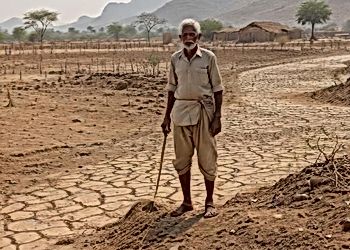
Climate change is having a significant impact on India's food security, with rising temperatures and changing precipitation patterns affecting crop yields and food availability.

Environment
Eco-tourism in India is a growing sector, with many states investing in sustainable tourism infrastructure. The sector provides an opportunity for local communities to benefit from tourism, while also contributing to environmental conservation.
Environment
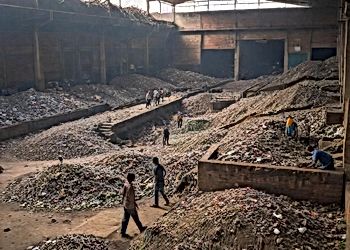
India's waste management sector is facing significant challenges, but the adoption of circular economy principles can help reduce waste, promote recycling, and create new economic opportunities. This approach can help India achieve its Sustainable Development Goals and promote sustainable development.
Environment
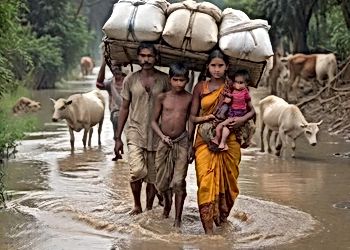
Environmental migration is a growing concern in India, with millions of people being displaced due to climate change, natural disasters, and environmental degradation. This phenomenon has significant implications for India's urban planning, resource management, and social welfare systems.
Environment
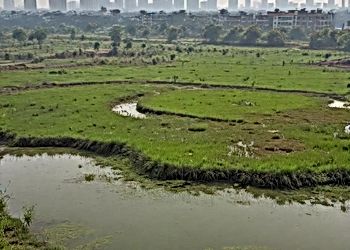
Nature-based solutions can play a critical role in mitigating the ecological debt crisis in India, particularly in the context of urban planning and development. The use of green infrastructure, restoration of natural ecosystems, and promotion of ecosystem services can help reduce the risk of natural disasters, improve air quality, and promote human well-being.
Environment
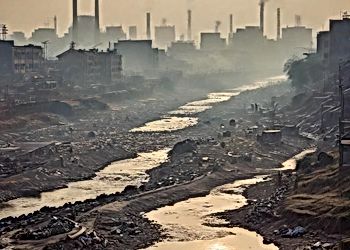
The ecological debt crisis in India is a complex and multifaceted issue that requires a comprehensive approach to address its far-reaching consequences. The crisis is driven by the depletion of natural resources, degradation of ecosystems, and the impacts of climate change. To mitigate this crisis, it is essential to adopt sustainable practices, promote education and awareness, and implement climate-resilient infrastructure.

Environment
Urban forestry is a critical component of sustainable urban development, particularly in India, where cities are experiencing rapid growth and urbanization. The country's urban forests can help mitigate the urban heat island effect, improve air quality, and provide habitat for urban wildlife. However, urban forestry in India faces several challenges, including lack of funding, inadequate planning, and insufficient community engagement.
Environment
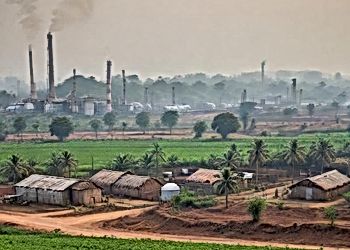
India's bioeconomy has the potential to drive sustainable growth and development, particularly in rural areas. The country's rich biodiversity, combined with advances in biotechnology, can lead to the creation of new industries and job opportunities. The development of India's bioeconomy is crucial for reducing dependence on fossil fuels, mitigating climate change, and promoting sustainable development.
Environment
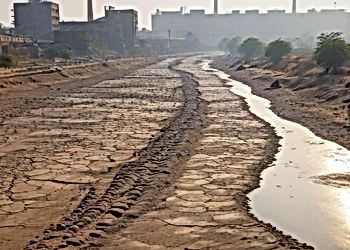
Climate change is having a significant impact on India's water security, with changing precipitation patterns, increased frequency of droughts and floods, and rising temperatures affecting the country's water resources. To address this issue, India needs to adopt water-saving practices such as efficient irrigation systems, rainwater harvesting, and water recycling.
Environment
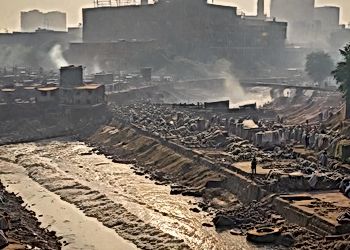
India's ecological footprint has been increasing over the years, with the country's population and economy growing rapidly. This has led to a significant increase in greenhouse gas emissions, deforestation, and water pollution. To reduce its ecological footprint, India needs to adopt sustainable practices such as renewable energy, sustainable agriculture, and efficient transportation systems.

Environment
Wetlands are critical ecosystems in India, providing habitat for a wide range of plant and animal species. However, these ecosystems are facing severe threats, and it is essential to adopt a comprehensive approach to conserve them. This approach should involve policy changes, community engagement, and education.
Environment
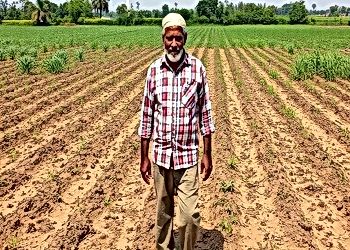
Soil erosion is a critical issue in India, with severe environmental and economic consequences. The country is losing millions of tonnes of soil every year, affecting agricultural productivity and food security. To address this issue, it is essential to adopt a multi-faceted approach that involves policy changes, community engagement, and education.
 Login with Google